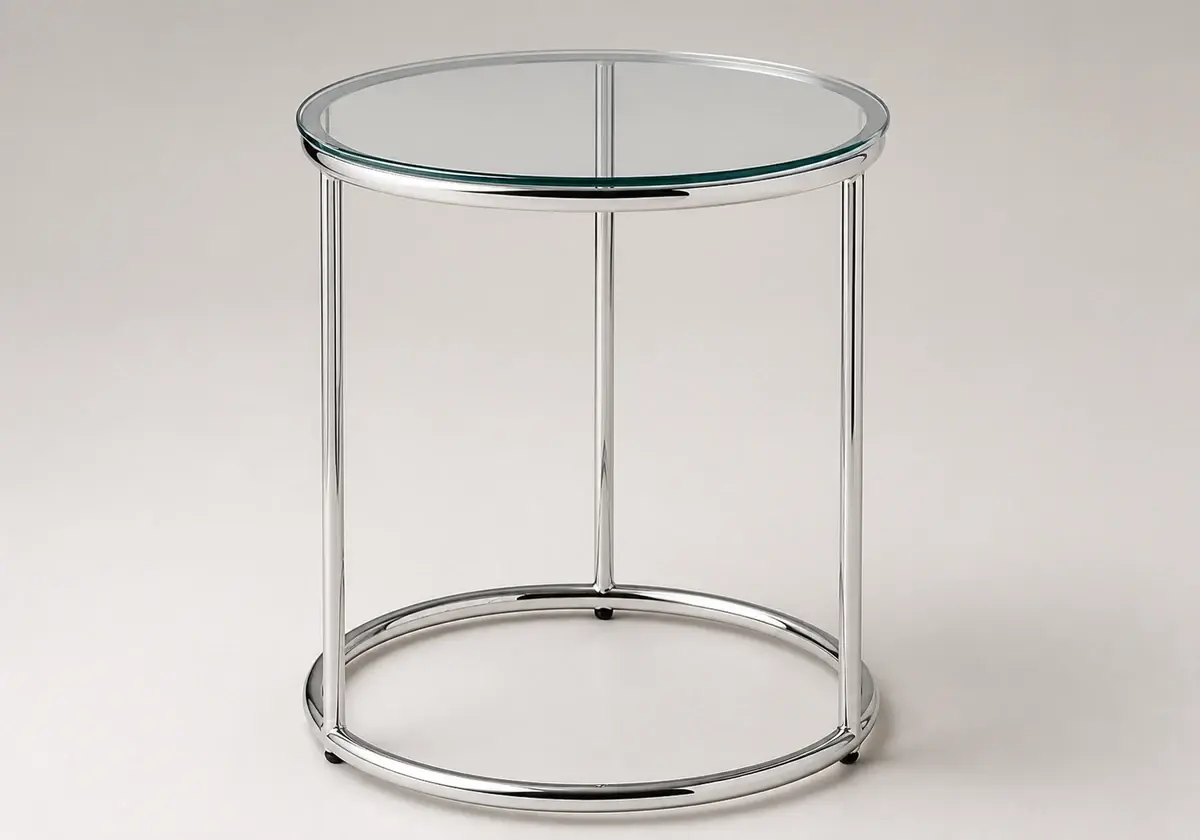
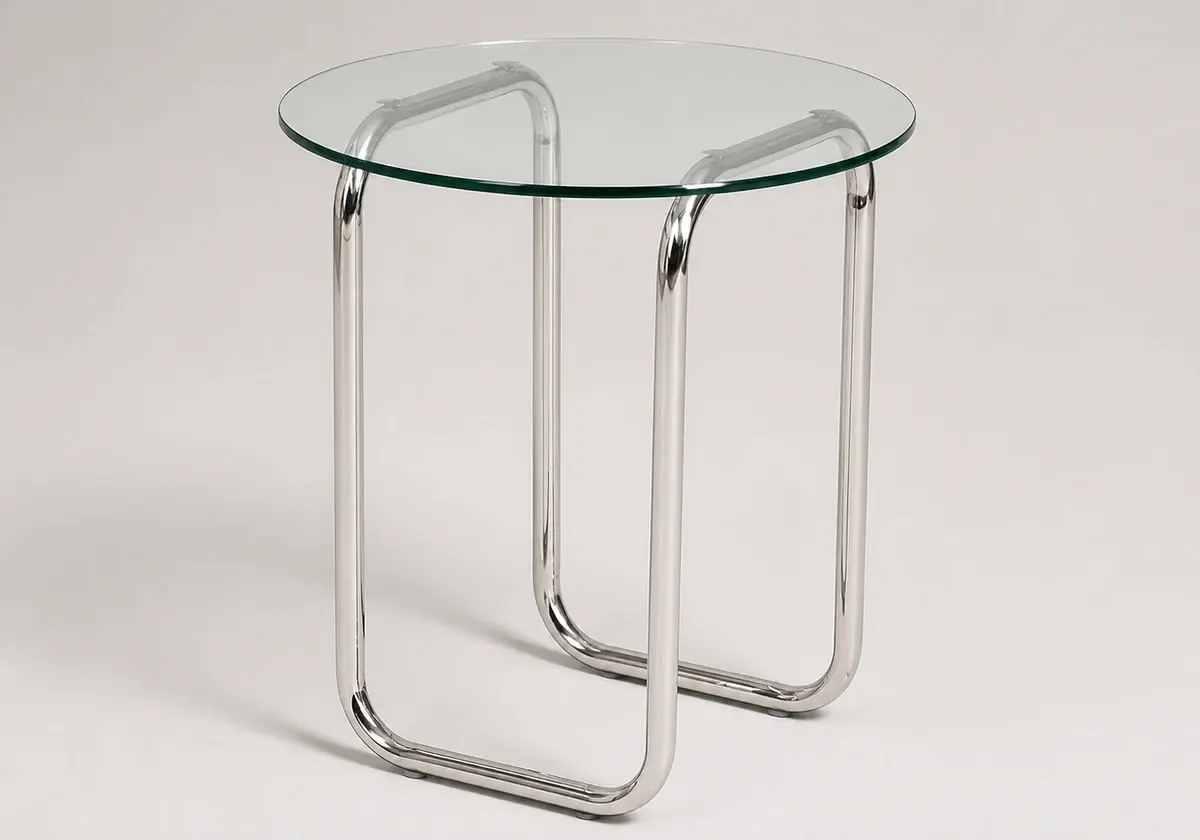
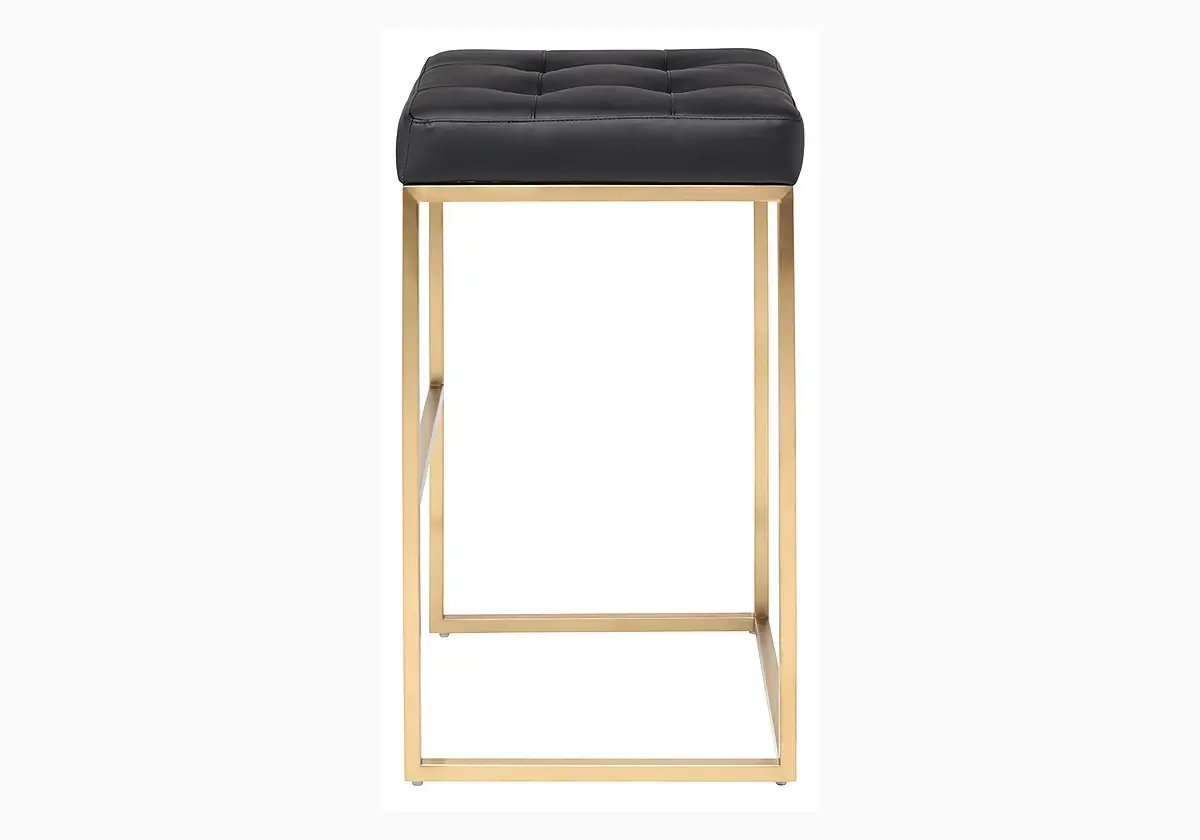
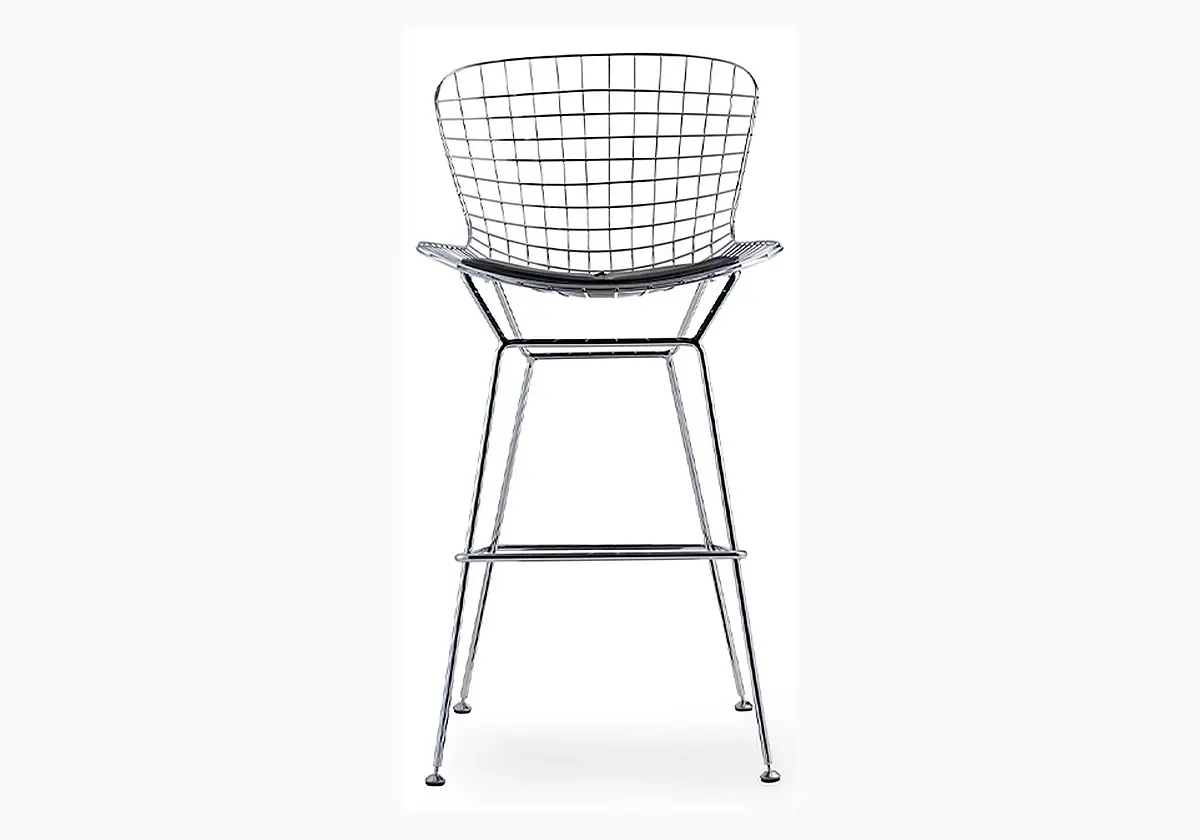
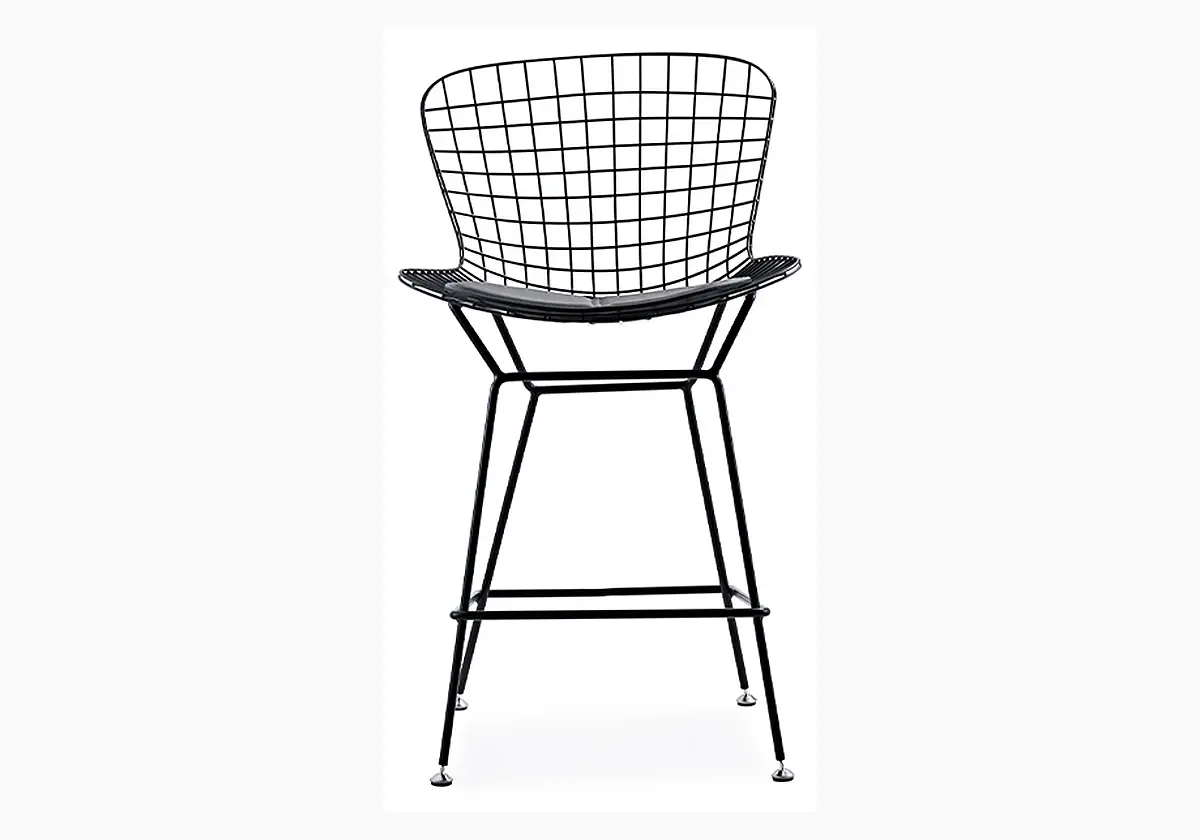
Every piece in our furniture catalogue priced under $100, across seating, tables and contract ranges, sorted by price. At this end the freight decides the landed cost rather than the goods: a $40 chair and a $90 chair cost the same to ship, so the cheaper one is not the better buy unless it fills the container as well. Import duty and clearance are paid by you on arrival.
Sea freight to your port is quoted by volume with your order; import duty, customs clearance and inland delivery are paid by the buyer on arrival.
The catalogue holds 149 pieces under $100, averaging $69, and the median one takes 0.17 m³. A forty-foot container holds about 58 m³ of loaded volume, so roughly 340 of them fit. At published 2026 rates that is about $10 a piece in freight to Lagos, $12 to Rotterdam and about $29 to New York, on goods averaging $69. The freight is a seventh of the cost into West Africa and about two fifths into the United States, which is why the same order is worth doing from one port and not the other.
Only by the container. Freight is charged on cubic metres, so the sum that matters is the price per unit plus its share of the container, and a single carton of chairs carries a share that swamps the saving. Buyers who do this are filling a container, usually across several product lines at once.
Usually the cover and the foam rather than the frame. A cheap chair is built to the same shape as a dear one and gives way first where you sit. For a room in daily service, check the foam density and ask what the frame warranty actually covers.
By volume, in cubic metres, not per item. The quote carries the figure for your quantity and your port, because the same order costs less per unit as it fills more of a container.
It varies by product and each listing shows its own. Many items ship from a single carton; the unit price falls as the volume rises, and a full container is where the freight per unit stops mattering.
No. The site takes no payment and holds no deposit. A request for quote creates no obligation, and nothing is charged until terms are agreed directly with a sourcing manager.
No. Every figure here covers the goods and the sea freight to your port of discharge. Import duty, clearance and inland delivery are paid by the buyer on arrival, and the rate depends on your country.